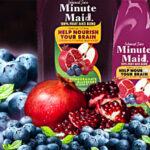
Read the Label
Food processing companies are incredibly sophisticated, and their mastery of manipulation of food is only a part of it. Where food companies really excel is in how they write their labels. It can be as simple as the rather silly claim on a candy package that the contents are “a fat-free food!” as if that makes them a healthy choice. There is also a high degree of deliberate bamboozlement, as described in this Slate article by Alan Levinowitz about the magical science claims for specific ingredients.
Here’s how it happens: Above HELP NOURISH YOUR BRAIN, Coca-Cola’s marketing team features “Omega-3/DHA.” For the sake of argument, I’ll offer myself as a proxy for your average, educated consumer with no special interest in nutrition science. How do I understand these technical terms? Well, omega-3 I’ve heard before, but only in the context of omega-3 fatty acids. Those, I’m pretty sure, are good for you. Something to do with preventing heart disease, or maybe cancer. DHA? Sounds vaguely familiar, but I’m not coming up with anything specific.
Fortunately, there’s more information on the side of the bottle:
- DHA is a key building block in the brain
- Choline and B12 play a role in brain and nervous system signals
- Antioxidant vitamin E may help shield the omega-3s in the brain from free radicals
- Vitamin C is highly concentrated in brain nerve endings
Who knew? Omega-3 isn’t in the drink—it’s in my brain! This is starting to feel like it makes sense….